
Choosing the Right Memorial: A Guide for Families
A memorial is more than stone—it is a story etched in memory, a legacy that endures across generations. Choosing the right tombstone means balancing heartfelt tribute with lasting craftsmanship.
5/23/20261 min read
Choosing the Right Memorial: A Guide for Families
A memorial is more than stone—it is a story etched in memory, a legacy that endures across generations. Choosing the right tombstone means balancing heartfelt tribute with lasting craftsmanship.
1. Material Matters
When selecting a memorial, the stone itself carries meaning:
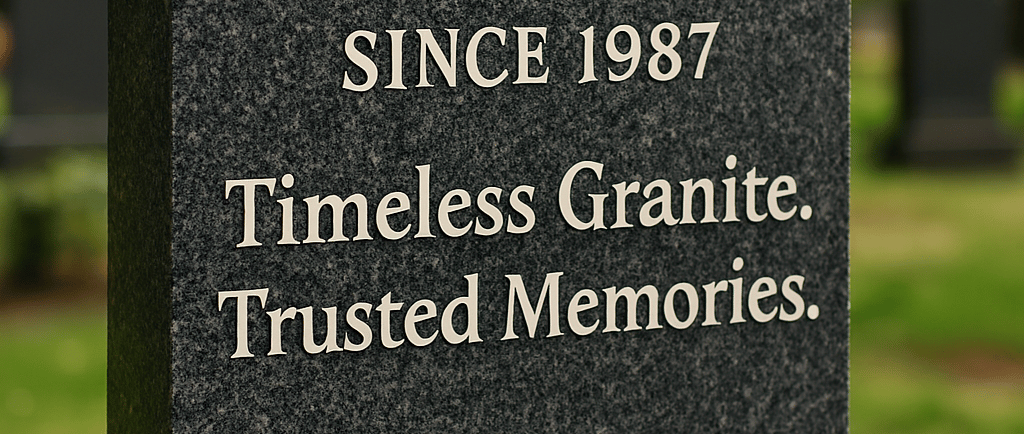
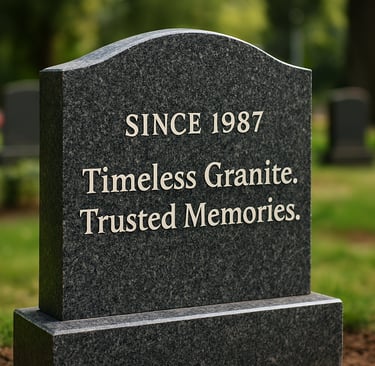
Rustenburg granite tombstones – renowned for durability and timeless elegance.
Marble memorials – classic beauty, though requiring more care.
Sandstone or traditional options – rich in heritage and cultural symbolism.
Each material reflects a different character, ensuring the memorial stands strong for decades.
2. Design & Symbolism
The design should speak to the life lived. Shapes, carvings, and motifs—from simple dignity to ornate detail—become symbols of remembrance. Consider cultural emblems or personal touches that resonate with family traditions.
3. Personalization
Names, dates, verses, or bilingual inscriptions (English + isiZulu) ensure the memorial feels deeply personal. A well-chosen inscription transforms stone into a voice that speaks across time.
4. Longevity & Care
Durable memorials in South Africa must withstand weather and time. Granite, for example, resists erosion and requires minimal upkeep. A memorial should remain a steadfast marker for generations to come.
5. The Three Reasons for a Tombstone
Ultimately, a tombstone serves three timeless purposes:
To Honor / Ukuhlonipha – paying respect to a life lived.
To Remember / Ukukhumbula – keeping memories alive.
For Future Generations / Kwizizukulwane Ezizayo – preserving legacy for those yet to come.
Closing Reflection
A tombstone is not just stone—it is love, memory, and honor carved into permanence.
isiZulu:
Ithuna akuyona nje itshe—liyifa elibhalwe uthando, inkumbulo, nokuhlonipha.
Memories Are Forever
Preserving memories with quality granite tombstones since 1987.
Quality
Service
sales@teggsgranite.co.za
+27 83 635 4311
+27 83 635 3635
© 2025. All rights reserved.
PRIVACY POLICY
sales@teggsmemorial.com